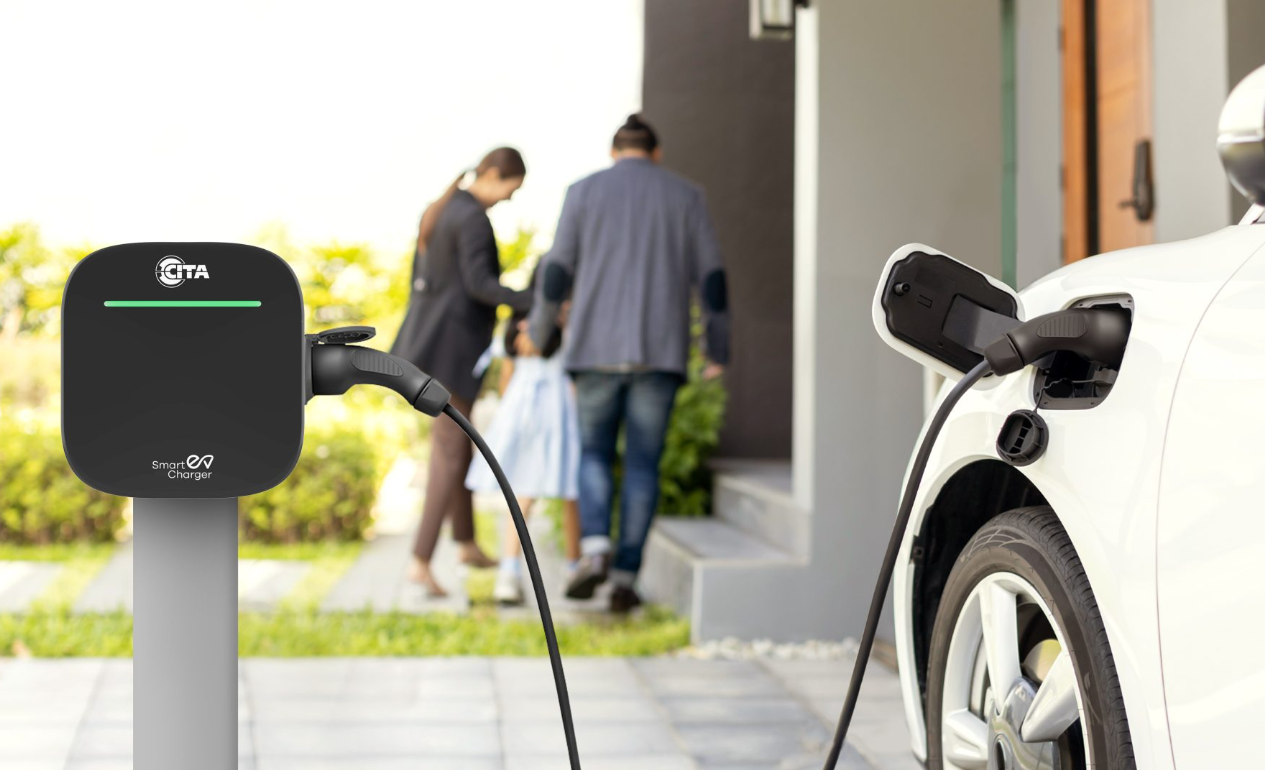

Electric vehicles are only as convenient as the charging options available to you. In 2025, charging technology is faster and more widespread than ever—but speeds still vary depending on your EV, the charger type, and your location.
Knowing how long it will take to recharge your battery, and which charging method fits your lifestyle, can help you make a smart buying decision.
1. Types of EV Chargers
Level 1 Charging (120V AC) – The Slow but Simple Option
- Source: Standard household outlet (no special installation needed).
- Speed: ~2–5 miles of range per hour; a full charge can take 20–50 hours depending on battery size.
- Best for: Plug-in hybrid vehicles (PHEVs) or EV owners with very low daily mileage.
- Pros:
- Cheapest option (uses existing home outlet)
- No special equipment or electrician required
- Cons:
- Too slow for most full EVs unless you drive very little
- Not practical for long-range vehicles
Level 2 Charging (240V AC) – The Daily Driver’s Choice
- Source: Requires a dedicated charging station installed at home or found in public locations (workplaces, malls, parking garages).
- Speed: ~15–40 miles of range per hour; a typical EV can fully charge in 6–10 hours.
- Best for: Daily overnight home charging and workplace charging.
- Cost:
- Charger hardware: $500–$800
- Professional installation: $500–$1,500
- Eligible for many federal, state, and utility rebates.
- Pros:
- Most practical for home use
- Can fully recharge overnight
- Cons:
- Requires installation and a 240V outlet
- More expensive than Level 1 setup
DC Fast Charging (Level 3) – Rapid Power on the Go
- Source: High-voltage charging stations found at public networks (Tesla Supercharger, Electrify America, EVgo, ChargePoint).
- Speed: Adds 60–200+ miles in 15–30 minutes; many EVs can go from 10% to 80% in 20–40 minutes.
- Best for: Road trips, quick top-ups during errands, or when you don’t have home charging access.
- Cost: $0.25–$0.60 per kWh; typically more expensive than home charging but still cheaper than gasoline.
- Pros:
- Very fast charging for long trips
- Expanding network nationwide
- Cons:
- Higher charging costs than home
- Frequent use may increase battery wear over time
2. Average Charging Times for Popular 2025 EV Models
| Model | Charging Type | Time (10–80%) | Notes |
|---|---|---|---|
| Hyundai Ioniq 5 | DC Fast (800V) | ~20 min | Level 2: 5–7 h from 10–80% |
| Hyundai Ioniq 6 | DC Fast (800V) | ~9 min for 100 miles added | Among fastest sedans in its class |
| Kia EV6 | DC Fast (800V) | ~9.7 min for 100 miles added | Similar charging tech to Ioniq 6 |
| Tesla Model Y | Tesla Supercharger | ~11.8 min for 100 miles; ~27 min to 80% | Excellent infrastructure coverage |
| Toyota bZ (bZ4X refresh) | DC Fast (150kW) | ~30 min | 2025 refresh improved speed significantly |
| Porsche Taycan Turbo GT | DC Fast (800V) | ~24 min (10–90%) | Performance EV benchmark for charging speed |
| BYD Next-Gen Tech | Prototype Ultra-Fast | ~5 min for ~250 miles | Not yet available in U.S., but game-changing if deployed |
3. Cost of Charging: Home vs. Public
- Home charging:
- U.S. average electricity cost: ~$0.16/kWh
- Charging a 77 kWh battery (e.g., Hyundai Ioniq 5) from 10% to 100%: ~$9–$11
- Public DC fast charging:
- $0.25–$0.60/kWh
- Same 77 kWh top-up could cost $19–$45 depending on provider
- Tesla Supercharger rates: Typically $0.25–$0.30/kWh for members
4. Buyer Tips for EV Charging in 2025
- Match your charger to your lifestyle:
- If you commute short distances daily → Level 2 home charger is ideal.
- If you travel long distances often → Prioritize an EV with fast DC charging speeds and broad network access.
- Check peak charging power: Some EVs can technically use 350 kW chargers but only peak at 150 kW, meaning slower top-ups.
- Plan for installation early: Lead times for electricians and permit approvals can delay home charging setup.
- Leverage incentives: Many states and utilities cover part of Level 2 charger purchase and installation costs.
- Avoid battery stress: For daily charging, keep your battery between 20–80% to extend lifespan; reserve 100% charges for long trips.
- Use apps for real-time station status: PlugShare, ChargePoint, and Tesla app help avoid broken or busy chargers.
5. Key Takeaways for U.S. Buyers
- In 2025, Level 2 home charging is the sweet spot for most drivers—affordable, convenient, and battery-friendly.
- DC fast charging speeds are a major differentiator—EVs with 800V systems like the Hyundai Ioniq 6, Kia EV6, and Porsche Taycan lead the pack.
- Charging infrastructure is expanding rapidly—Tesla’s network remains unmatched in coverage, but non-Tesla options are catching up fast.
- For the best ownership experience, plan your charging strategy before buying your EV—this ensures your car fits your lifestyle, not the other way around.
